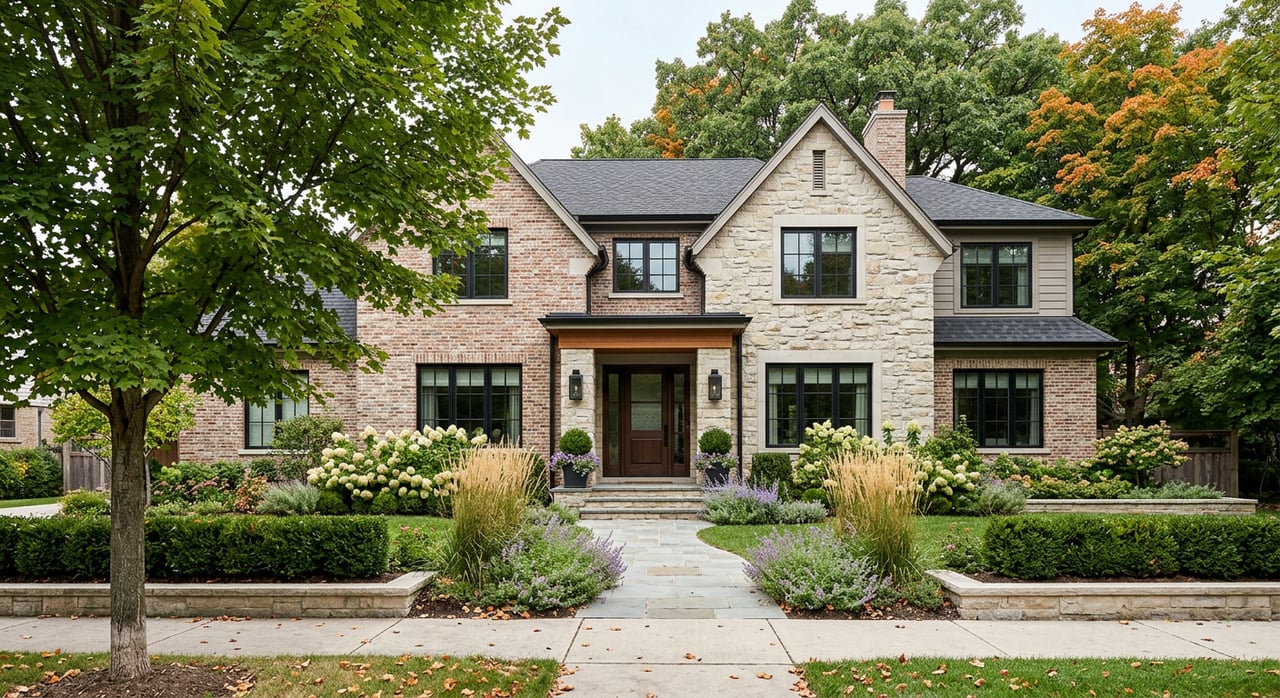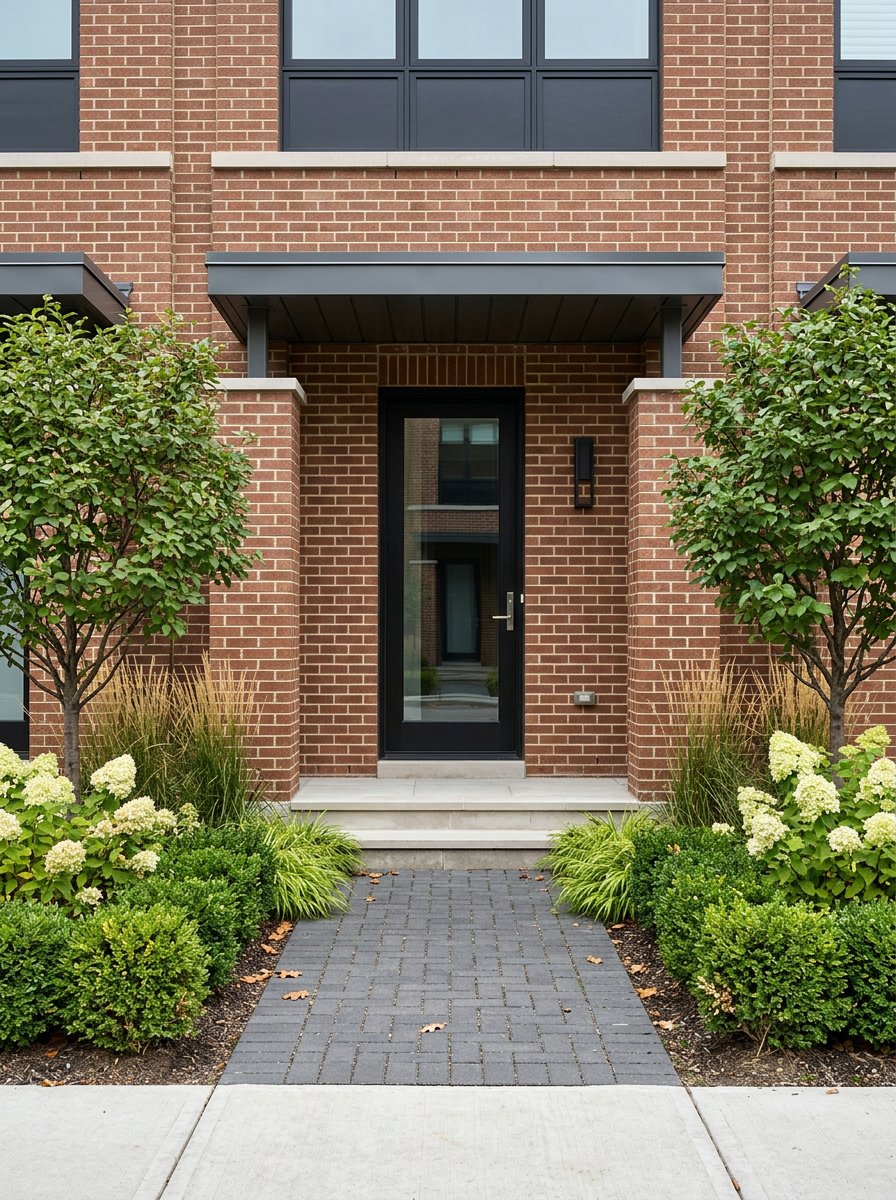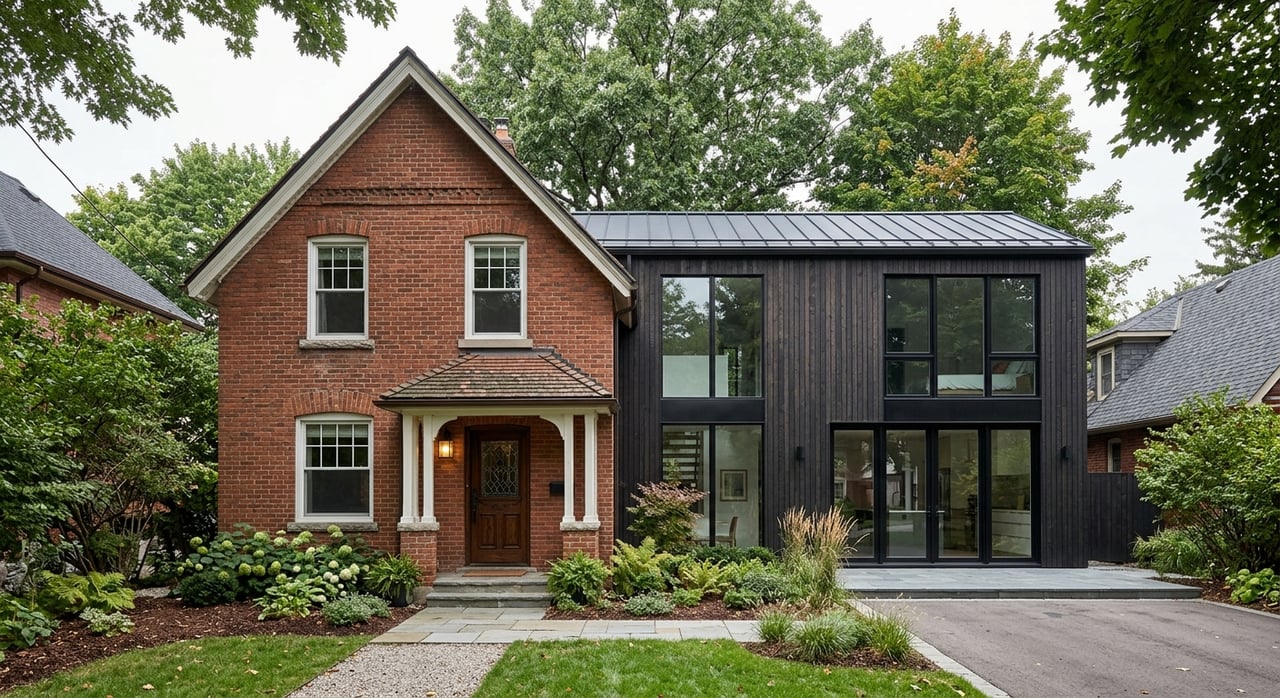
You can feel Lemont’s story the moment you see the limestone, the canal, and the hilltop streets. If you are torn between the warmth of a historic home and the ease of a modern build, you are not alone. Both paths offer real benefits, and the right choice comes down to how you live, what you want to maintain, and how soon you need to be settled. In this guide, you’ll learn how Lemont’s housing stock breaks down, what to expect from ownership, and how to compare costs, rules, and renovations with confidence. Let’s dive in.
Why Lemont feels historic
Lemont grew up around the Illinois & Michigan Canal and local quarries, which shaped the look and materials you see today. The village’s setting on bluffs above the Des Plaines River and its quarry history give it a distinct stone-and-brick palette and memorable skyline. You can read a concise overview of that background in the Lemont entry on Wikipedia for context on location and history. Lemont’s history and setting help explain the enduring “old-town” feel buyers love.
The downtown commercial core is listed on the National Register of Historic Places, with documented 19th and early 20th century buildings and nearby residential blocks that mirror that period. If you want to visualize styles and materials, the National Register nomination offers helpful detail on architectural types and character. See the Lemont Downtown Commercial District nomination.
Historic homes: what you’ll see
Older homes tend to cluster near downtown and along the I&M Canal corridor, extending into adjacent hilltop streets. Expect tighter lots and walkable blocks close to Main Street. Many homes and civic buildings feature local dolomitic limestone, brick facades, and decorative masonry that give the area its signature look.
Inside, buyers often notice tall windows, wood trim, original floors, and porches. These details bring charm and value. They can also carry maintenance needs like plaster repair or window restoration. The nomination above includes examples of Italianate and late-Victorian types, along with vernacular gable-front houses and brick cottages that line older streets.
Ownership considerations in the historic district
Lemont maintains a local historic district and an appointed Historic Preservation Commission (HPC). If a property is a contributing resource within the local district, many exterior changes visible from the street require a Certificate of Appropriateness before work begins. Interior work is generally outside HPC review, but village building permits still apply. Learn how the process works through the Village of Lemont Historic Preservation Commission.
Systems and materials to review
With older homes, plan to evaluate the electrical system, plumbing, insulation levels, window condition, and masonry. In very old structures, you may still encounter older wiring or galvanized supply lines and cast-iron drains. Mortar on stone or brick may need repointing over time. For practical, preservation-minded approaches to windows, masonry, and energy upgrades, the National Park Service’s guidance summarized here is a helpful starting point: caring for a historic home.
New builds and subdivisions: what to expect
Most newer construction sits on the village’s edges, with subdivisions generally developed from the 1990s through the 2010s and later. You will find many of these communities south and west of the historic center and near major connectors to I-355 and I-55. Neighborhoods often include sidewalks and small parks with larger lots than you will see downtown.
Common examples buyers ask about include Glens of Connemara, Abbey Oaks, Fox Hills, Foxmoor Estates, and The Glens. These vary from modest HOA communities to larger-lot neighborhoods with more privacy. Lot sizes, HOA rules, and amenities differ by subdivision, so it is smart to review covenants and budgets as you compare.
Features and HOAs in newer communities
Newer homes typically offer open floor plans, attached 2–3 car garages, modern HVAC, higher insulation levels, and contemporary kitchens and baths. Maintenance needs are usually lighter in the early years. Many subdivisions include homeowner associations. Fees and rules vary, so review covenants, conditions, and restrictions for exterior materials, landscaping, fencing, and assessments before you commit.
Lot and site factors that matter in Lemont
Lemont’s topography is part of its charm. Bluffs, stone outcroppings, and former quarry sites create views, interesting yards, and sometimes steep grades. These features can affect drainage, foundation choices, and future additions. For a quick sense of the lay of the land and why it looks the way it does, revisit the Lemont history and setting.
Riverside and canal-adjacent parcels can be mapped in FEMA Special Flood Hazard Areas. If a home sits in a mapped flood zone, lenders typically require flood insurance for federally backed loans. Ask for an elevation certificate when applicable and confirm map status with your agent and lender. For terminology and program basics, start with FEMA’s flood insurance overview.
What to inspect outside
When you tour, look at grade and drainage around the house, retaining walls, evidence of erosion, and tree placement. Make note of access for equipment if you imagine future additions. For properties near water, ask about flood history, bank stability, and permits for any past shoreline work.
Also confirm utility connections. Lemont operates municipal water and sewer, but you should always verify service for each property and ask about recent or planned public-works projects that could affect service or assessments. Here is the village’s utility information to bookmark.
Renovation or low maintenance: how to decide
Every buyer balances character, convenience, and cost differently. Here is a quick comparison to help you sort your priorities:
Historic homes
- Pros: unique architecture, original materials, smaller lots near downtown, and a sense of place that is hard to replicate.
- Considerations: possible exterior review in the local historic district, periodic masonry repointing, window restoration, and system upgrades.
Newer homes/subdivisions
- Pros: modern systems, higher energy efficiency, larger garages and closets, and fewer immediate repairs.
- Considerations: HOA rules and fees, more uniform streetscapes, and fewer historic details.
Renovation financing options
If you love the idea of a character home but want to budget updates up front, renovation mortgages can bundle purchase and improvements into one loan.
- FHA 203(k): Combines purchase and renovation funding, with Limited and Standard versions based on project scope. Learn the basics on HUD’s FHA 203(k) page.
- Conventional options: Fannie Mae HomeStyle and Freddie Mac CHOICERenovation also finance purchase plus improvements under conventional guidelines. See a consumer-friendly overview of 203(k) vs. HomeStyle here: renovation mortgage guide.
Plan to gather contractor bids and a clear scope early. Appraisers, lenders, and inspectors will want budgets and timelines. Remember that village building permits are required for most work, and if a home is a contributing resource in the historic district, exterior changes typically need a Certificate of Appropriateness through the HPC. You can confirm requirements with the Village of Lemont HPC.
What the market is doing
To anchor your expectations, recent third-party indicators show a mid-to-upper 500s price environment, with variation by source and home type. Redfin reported a median sale price near 574,000 in February 2026. Zillow’s Lemont Home Value Index sat in the mid-540,000s in January 2026. Local assessment history also provides context: the Cook County Assessor shows a lower historical median single-family sale price in Lemont Township because assessment and sale windows differ. You can review background and 2023 valuation context here: Cook County Assessor — Lemont Residential. For real-time pricing on your target home type, ask your agent for an up-to-date MLS analysis before you tour.
Quick showing checklist
Bring this list to your first round of tours so you can compare apples to apples.
- Historic district status
- Is the property inside the local historic district? If yes, what exterior work needs a Certificate of Appropriateness? Check the village’s HPC page.
- Flood zone and insurance
- Is the parcel in a FEMA Special Flood Hazard Area? Ask for any elevation certificate and current flood policy. Review basics with FEMA’s flood insurance overview.
- Structure and systems
- Roof age, signs of settlement or masonry cracking, window condition, signs of moisture in the basement, and evidence of prior foundation work. For older masonry, ask about repointing history. See practical tips on caring for a historic home.
- Utilities
- Confirm water and sewer service and ask about any planned public-works projects. Save the Village utility information.
- HOA rules and fees
- If in an HOA, request the covenants, recent meeting minutes, and any special assessment notices.
- Renovation path
- If you plan updates, discuss FHA 203(k) or conventional renovation mortgages early and collect 2–3 contractor bids. Start with HUD’s 203(k) program page.
How to choose the right fit
Start with your lifestyle. If you want to be close to coffee, dining, and the canal path, a historic-area home on a smaller lot may check the boxes. If you prefer larger garages, newer systems, and more predictable maintenance, a later subdivision might be your best match. Then weigh timing and budget. A move-in-ready newer home can speed your timeline, while a character home plus renovation loan can deliver exactly what you want if you can plan for the work.
Next, consider the site. Lemont’s hills, outcrops, and waterways make for beautiful streetscapes. They also make drainage, grading, and flood mapping worth a careful look. When you combine clear priorities with due diligence, you set yourself up for a confident offer.
Ready to compare options in-person and run the numbers for your goals? Partner with a local advocate who knows how to balance charm, convenience, and value. Connect with Kathy Szuba to map your strategy, tour the right homes, and negotiate a result you’ll feel great about.
FAQs
What makes Lemont’s homes look so historic?
- Lemont’s setting on canal-era trade routes and its local limestone quarries shaped architecture and materials, with many stone and brick buildings in and near the National Register-listed downtown.
If I buy in the historic district, can I change the exterior?
- If the home is a contributing resource in the local district, exterior work visible from the street often requires a Certificate of Appropriateness through the Village’s Historic Preservation Commission.
How is owning an older Lemont home different from a newer one?
- Older homes offer unique details and walkable locations but may need periodic masonry, window, or system updates; newer homes are more turnkey with modern systems and HOA rules to review.
Do Lemont properties near the river or canal need flood insurance?
- If a parcel is in a FEMA Special Flood Hazard Area, lenders generally require flood insurance for federally backed loans; always confirm map status and ask for any elevation certificate.
What should I look for on a sloped or quarry-influenced lot?
- Check drainage away from the house, retaining walls, erosion, and access for future work; irregular shapes and exposed rock can add character and also affect grading and additions.
Can I finance renovations into my mortgage?
- Yes. FHA 203(k) and conventional options like HomeStyle or CHOICERenovation can bundle purchase and improvements; you will need a clear scope, bids, permits, and lender-approved timelines.