Thinking about whether to build new or buy a resale home in Burr Ridge? It is a big decision with real tradeoffs in lot size, design, timing and long-term costs. You want privacy, quality and a smooth process that protects your investment. In the next few minutes, you will learn exactly how new construction and resale stack up in Burr Ridge so you can move forward with clarity and confidence. Let’s dive in.
Burr Ridge market at a glance
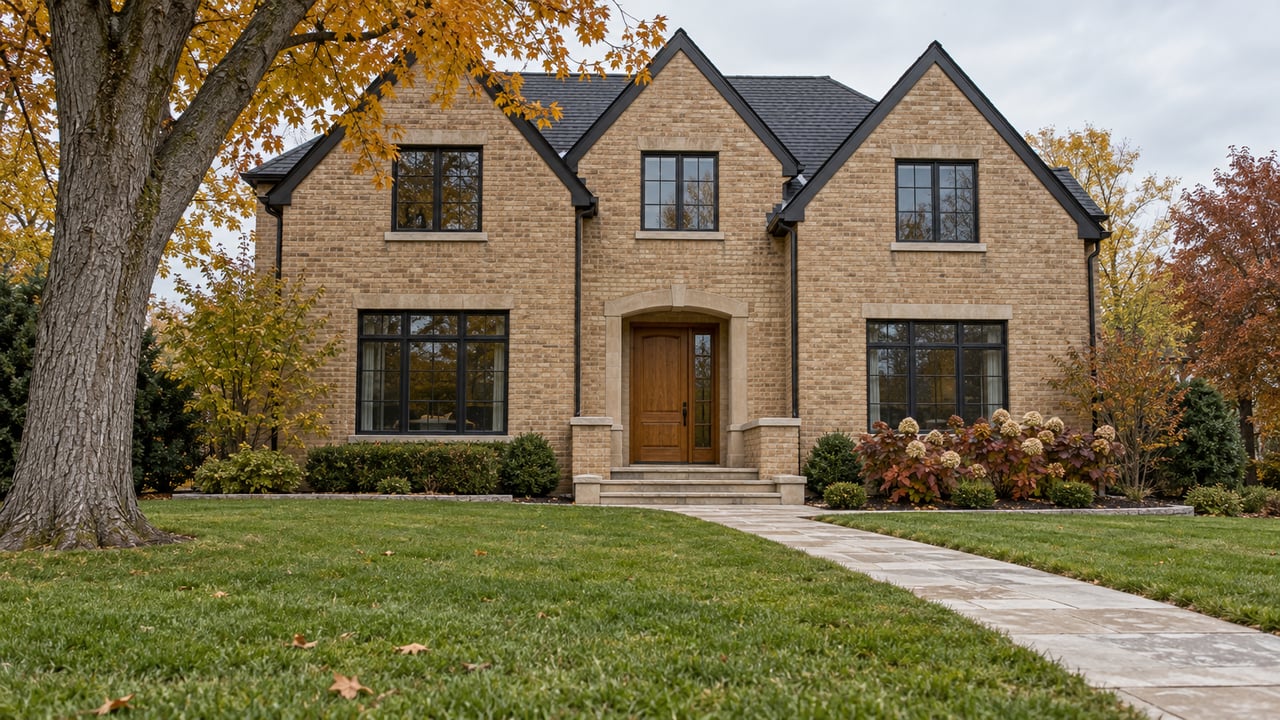
Burr Ridge is known for its low-density, luxury feel. The Village’s planning guidance encourages larger single-family lots, which helps explain the area’s estate character and mature streetscapes. The community balances custom homes, infill builds and a small number of newer subdivisions.
Because Burr Ridge has relatively few sales and several high-value estates, median price figures can swing month to month. A single large closing can move the median. Instead of fixating on one number, focus on your must-haves, budget band and timing. A local MLS snapshot will provide the most current picture right before you act.
Lots and neighborhood feel
Lot size and privacy
Burr Ridge’s comprehensive planning materials encourage substantial residential lots, often 30,000 square feet or larger in many single-family areas. That is roughly three-quarters of an acre and up. This is why you often see half-acre to one-plus-acre parcels across the village, with mature trees and longer setbacks that many buyers value. You can review the Village’s planning context in its public meeting materials that reference larger-lot guidance for single-family neighborhoods in recent years. The Village packet offers helpful context on how lot sizes shape the community’s residential character. You can view these materials in the Village’s published records for more background on lot size policy.
- Village planning and permit guidance: see the Village’s building and permit ordinance for residential standards and process details. The document outlines how Burr Ridge manages its low-density, high-quality intent for new and existing homes. Review Burr Ridge’s building and permits ordinance.
- Larger-lot context: Village meeting records discuss single-family areas where lots are encouraged to be 30,000 square feet or more. See the Village Board packet for planning context.
New subdivisions and infill vs resale streets
- Newer infill or subdivision builds often come with fresh grading, modern drainage plans and HOA or PUD guidelines that keep materials and amenities consistent. Landscaping starts newer, then matures over time.
- Resale neighborhoods often deliver established trees, longer driveways and mature buffers. You can see the land’s performance over years and understand sight lines and privacy from day one.
Design, systems and everyday living
What new builds typically offer
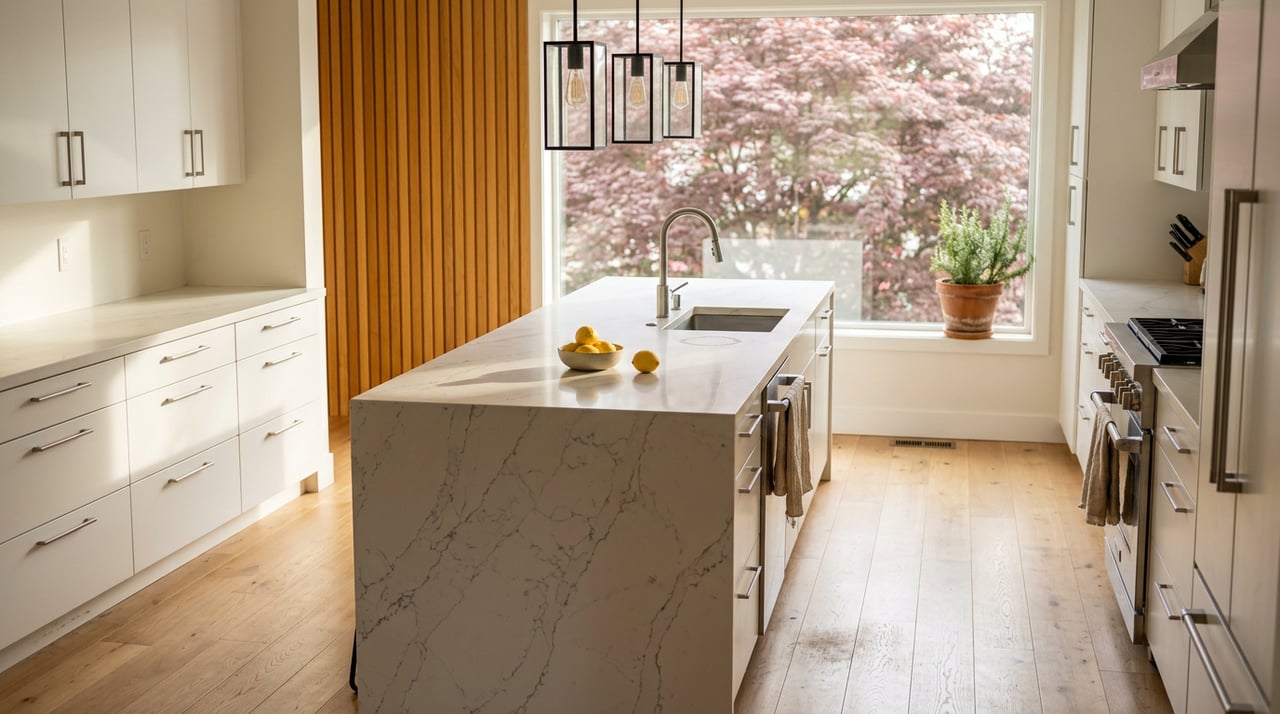
Today’s Burr Ridge luxury new builds tend to feature open layouts, large kitchen islands with clear sight lines to the family room, generous owner suites and flexible home office spaces. Many include smart-home wiring, EV-ready garage circuits and efficient mechanicals. If a builder targets programs like ENERGY STAR or DOE Zero Energy Ready, you may see high-efficiency heat pumps, upgraded insulation, LED lighting and efficient water heating that can reduce operating costs. For a quick overview of how high-efficiency systems intersect with incentives, review this builder-focused summary of current efficiency programs. See an overview of energy-efficiency incentive programs.
What resale homes often deliver
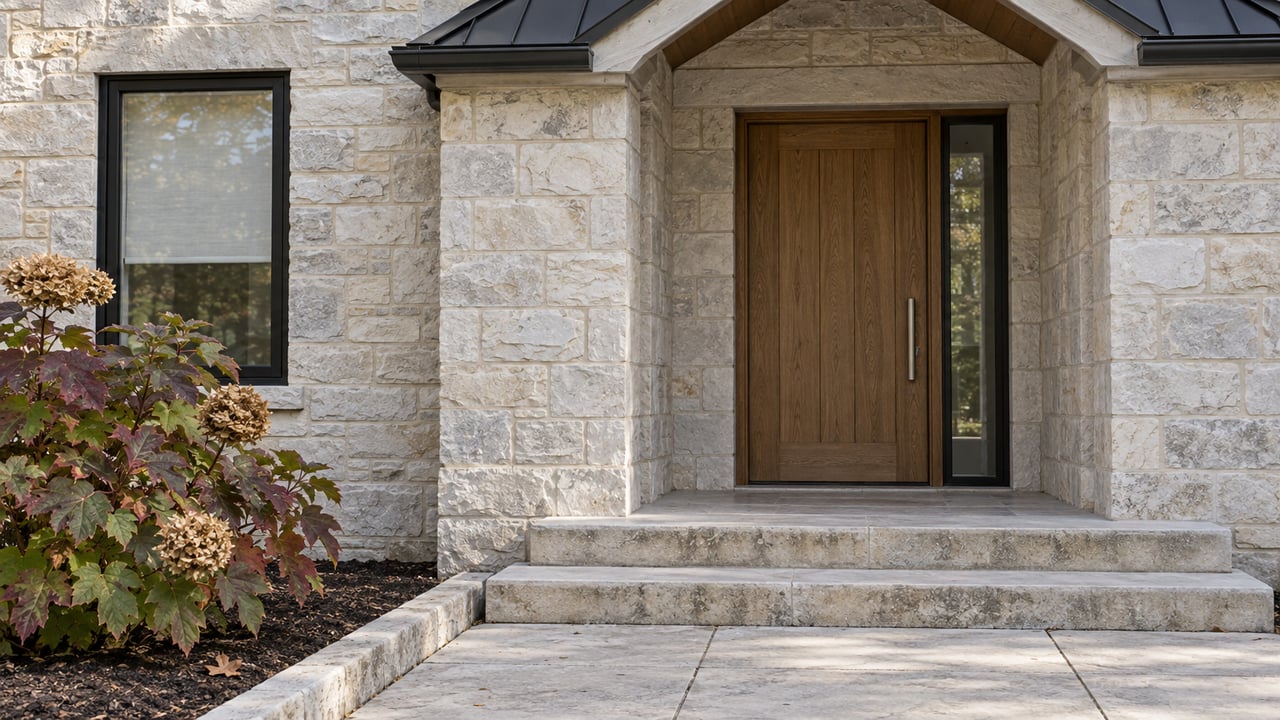
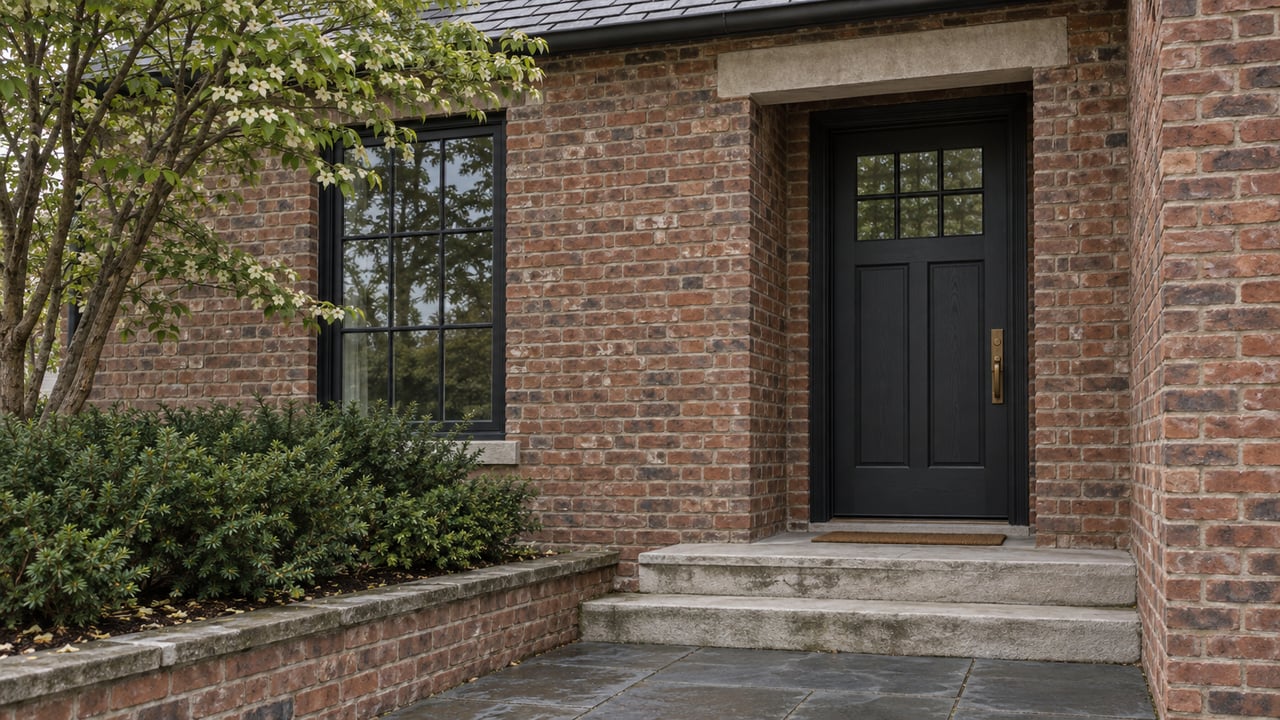
Resale homes in Burr Ridge frequently offer architectural variety, mature landscaping and larger or more unique lots. You may find rich brick or stone details, established gardens and hardscapes that are difficult to recreate right away on a new lot. The tradeoff is that systems, roofs and windows may be further along in their life cycle, so budgeting for updates is important.
Price, value and negotiation
Understanding premiums
New construction typically carries a premium per square foot because you get customization, brand-new systems and a higher-performance building envelope. That said, the gap between new and existing home prices has narrowed at times nationally, and the true cost difference in Burr Ridge depends on the specific lot, level of finish and the updates a resale home may need. Industry data show shifting relationships between new and existing prices over time as supply and incentives change. Explore NAHB’s market context on new vs existing pricing.
How to negotiate each path
- New construction: Ask about builder incentives such as rate buydowns, closing cost help or upgrade credits. Clarify what is included vs optional. Spec homes can offer more pricing flexibility than fully custom builds.
- Resale: Inspection findings, days on market and comparable sales inform your leverage. If a home needs a roof, HVAC or window work soon, price that into your offer strategy. Appraisal risk can be higher on unique or heavily renovated properties.
Maintenance, warranties and long-term costs
Near-term upkeep on new homes
New homes typically have lower maintenance surprises for the first several years. Most builders offer a defined punch-list and service process after move-in. Many also provide a warranty package that follows an industry standard: one year for workmanship, two years for systems and up to ten years for major structural components. Third-party structural warranties, such as those commonly issued through national programs, provide insurer-backed coverage that sits beyond the builder’s promise. Review a typical 1-2-10 warranty structure.
Key tip: Get the warranty in writing and confirm what is covered, how claims work, service response times and whether the coverage transfers if you sell.
Expected lifespans on resale components
Resale homes vary, but typical industry ranges are useful when you plan for updates. Asphalt shingle roofs often last about 20 to 30 years, HVAC components about 10 to 20 years, and tank water heaters about 8 to 12 years. Windows can go 20 years or more depending on quality and care. Local climate and maintenance history matter, so a thorough inspection with specialists is smart. See typical component lifespan guidance.
Timelines and financing
How long a new build takes
From permit to completion, single-family construction often takes about 7 to 12 months. Custom builds can run 12 to 24 months or more depending on complexity, design time and material lead times. Your schedule should include design selections, permit reviews and inspection milestones. Read an overview of build timelines.
How fast a resale closes
Most resale transactions close in about 30 to 60 days depending on financing, inspection negotiations, title work and any agreed repairs.
Financing points to watch
- New construction: You may use a construction-to-permanent loan or staged draw financing. Lenders will underwrite the plan and may require reserves. Many builders offer buydowns or lender credits. Get all terms in writing and confirm the permanent product you will convert to at completion.
- Resale: Conventional, jumbo or agency loans are common depending on price. Older homes with nonstandard systems can trigger appraisal or underwriting conditions, so address these early.
Which option fits your goals
- Choose new construction if you want full control over layout, desire high-efficiency systems and lower initial maintenance, and can manage a longer timeline with selections and change orders.
- Choose resale if you want immediate occupancy, established landscaping and neighborhood character, and sometimes larger or more unique lots.
Burr Ridge buyer checklist
If you are considering a new build
- Verify the builder’s local track record and recent completions.
- Request the full warranty document and a clear list of standard features vs upgrades. See typical warranty coverage terms to expect.
- Ask for a detailed allowance schedule and written change-order rules.
- Confirm timeline milestones, remedies for undue delays and how draws are handled.
- Review lot grading and drainage plans. Ask about tree protection.
- Request mechanical and energy specs, including insulation R-values and window performance. If certifications are targeted, ask which programs and what documentation you will receive. Review Burr Ridge’s building and permits ordinance.
If you are considering a resale home
- Schedule a thorough inspection. Consider specialists for roof, HVAC, sewer/septic and electrical.
- Pull permit history with the Village and confirm lot setbacks and easements. Start with the Village’s public building and permit standards.
- Model likely near-term replacements into your offer strategy using typical lifespans. Reference common ranges for major components.
- Ask if a transferable third-party warranty is in place and whether it remains active.
Ready to compare options with a local guide?
Whether you are eyeing a custom build or a timeless estate, you deserve a clear plan and strong negotiation from start to finish. If you want a data-informed strategy tailored to Burr Ridge, with bilingual guidance in English or Polish, reach out to Kathy Szuba. You will get candid advice, vetted vendor referrals and a step-by-step path that fits your timing and goals.
FAQs
What makes Burr Ridge new construction different from nearby suburbs?
- New construction in Burr Ridge leans boutique and high end, with custom and infill projects on larger lots compared with many suburbs. Village planning supports a low-density feel that shapes lot sizes and neighborhood character.
How large are typical lots for single-family homes in Burr Ridge?
- Village planning materials reference encouragement of 30,000 square foot or larger lots in many areas, which supports frequent half-acre to one-plus-acre parcels. See the Village’s planning and permit resources.
What warranties usually come with a new construction home?
- Many builders follow a 1-year workmanship, 2-year systems and 10-year structural coverage framework, often supported by a third-party insurer-backed policy. Review a typical 1-2-10 structure.
How long does it usually take to build a home in Burr Ridge?
- National averages place permit-to-completion around 7 to 12 months, with custom builds often taking 12 to 24 months or more depending on design, permitting and materials. See a timeline overview.
How do maintenance costs compare between new and resale homes?
- New homes tend to have lower near-term costs due to new systems and warranties. Resale homes may need updates. Typical ranges for roofs, HVAC and water heaters help you budget. Check common lifespan guidance.
Do property taxes vary within Burr Ridge?
- Parts of Burr Ridge lie in Cook and DuPage counties. Assessment methods and effective tax rates can differ by county, so confirm parcel details before you buy. For regional context, review this Civic Federation overview. Learn more about local tax rate differences.