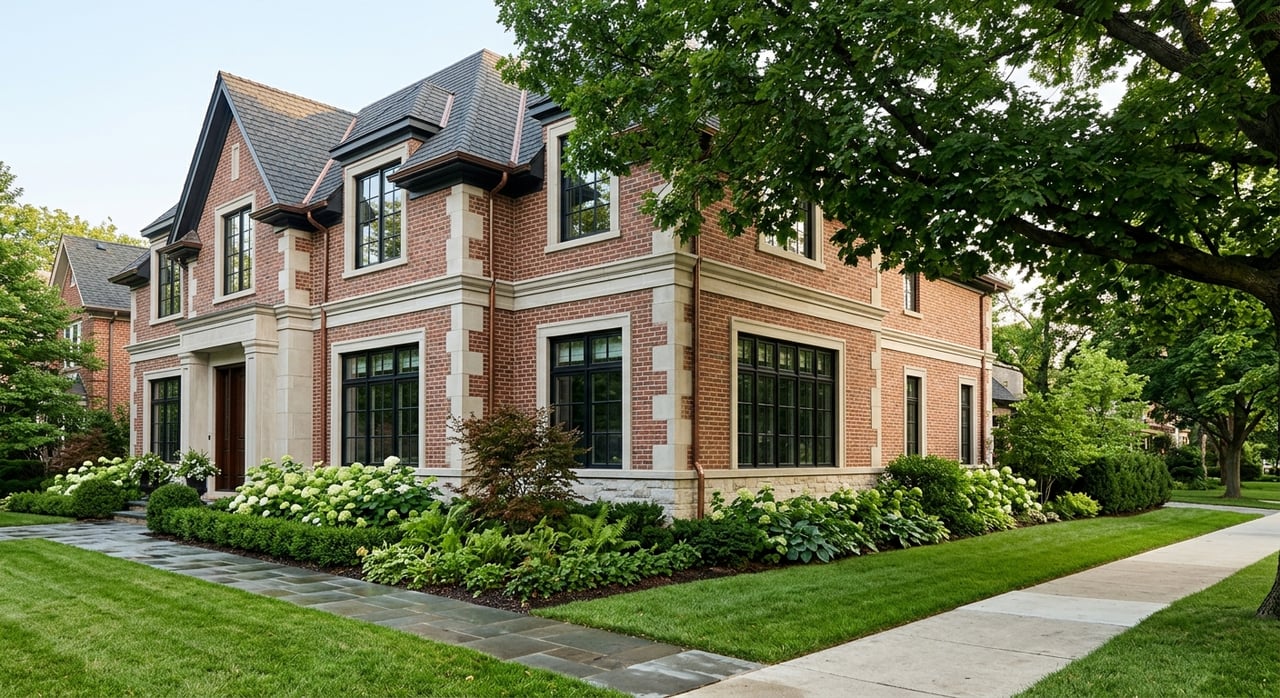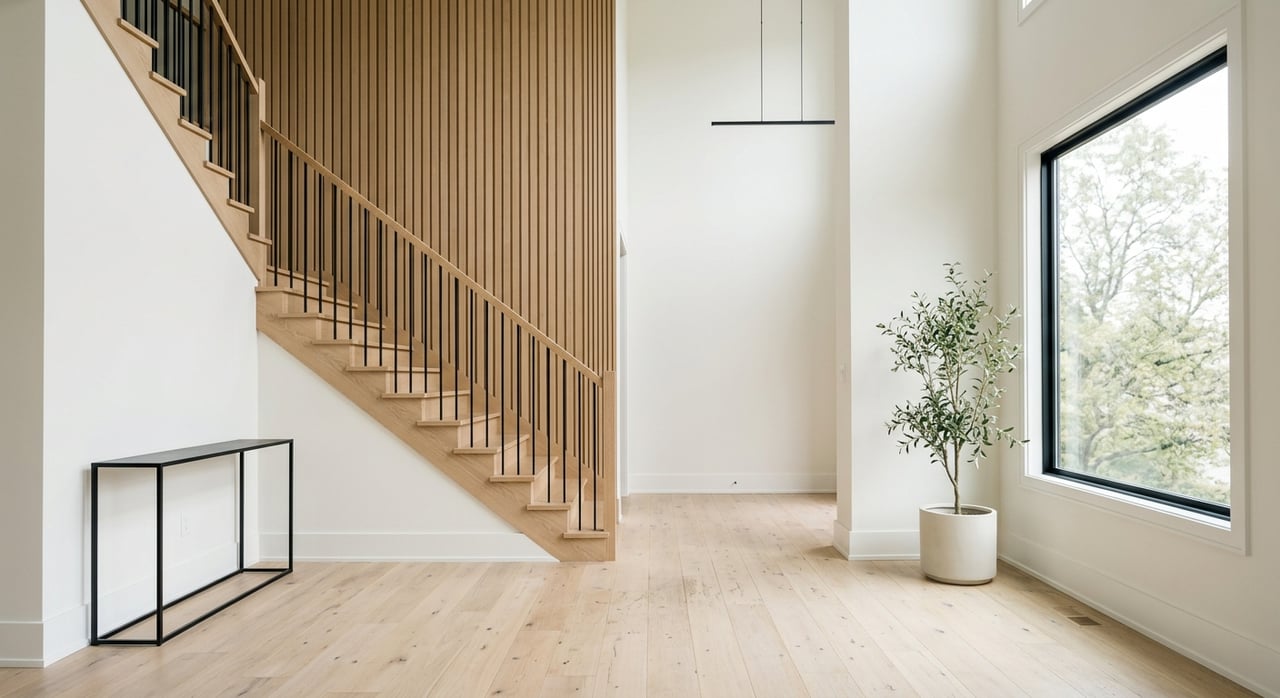
Thinking about buying a brand-new home in Naperville? It can be exciting to picture fresh finishes, modern layouts, and fewer immediate repair projects, but new construction comes with a different process than resale. If you want to make a smart decision, you need to understand how local supply, permits, timelines, inspections, warranties, and taxes can affect your purchase. Let’s dive in.
Naperville new construction looks different
New construction in Naperville is not always the same as what buyers picture in fast-growing outer-ring suburbs. The city’s housing analysis notes that limited affordable land is one barrier to housing development, and the Land Use Master Plan guides growth and redevelopment. In practical terms, that means opportunities may be more limited, more site-specific, and more likely to involve infill or redevelopment instead of large new subdivisions within city limits.
That matters because your search may require more flexibility. You might be comparing a custom or semi-custom home on an infill lot, a redevelopment project, or a smaller pocket development rather than dozens of homes released all at once. When inventory is limited, having a clear budget and upgrade strategy becomes even more important.
Why the buying process feels different
A new construction purchase usually involves more builder paperwork, more decisions, and a longer timeline between contract and move-in. Builders may also ask for an upfront deposit, so you should ask exactly when that deposit is refundable and when it is not. That is one of the first details to clarify before you sign.
You should also remember that a builder contract is still a contract you need to read carefully. If possible, your offer should include financing and satisfactory-inspection contingencies. Those terms can help protect you if financing changes or if an inspection uncovers issues you are not comfortable accepting.
Financing is another area where buyers sometimes feel pressured. You do not have to use the builder’s affiliated lender, and you can shop around for your mortgage. Comparing options may help you find better pricing or terms that fit your goals.
How to compare Naperville builders
When you are deciding between builders or projects, glossy marketing only tells part of the story. Naperville publishes monthly building-permit reports that show permit type, contractor, and valuation data, along with occupancy reports for buildings receiving initial occupancies. These public reports can help you see what is actually underway and which builders are active.
That kind of research is useful if you want a clearer picture of scale and momentum. It can help you understand whether a builder is consistently moving projects forward or whether a development is still in earlier stages. In a market where new construction can be more scattered, public local data gives you a practical way to verify activity.
What to ask before you sign
Before you move ahead with a new construction contract in Naperville, focus on the full cost and the full timeline, not just the base price. A lower starting price can change quickly once you add lot premiums, structural options, and design-center selections. You want a side-by-side comparison that reflects the actual out-of-pocket cost.
Use this checklist as you compare homes or builders:
- Base price
- Lot premium
- Included finishes
- Optional structural changes
- Design-center upgrades
- HOA dues
- Property taxes
- Estimated move-in timing
This kind of comparison can keep you from making decisions based on a model home alone. It also helps you spot where one builder may offer more value up front while another relies more heavily on paid upgrades.
Naperville permit timelines matter
Many buyers assume construction starts right after they sign, but local review and permitting are part of the schedule. According to the City of Naperville, a complex project such as a new single-family home may be reviewed within three to four weeks, while simpler permits can be reviewed in less than one week. During busier periods, review times can take longer.
That does not tell you how long the full build will take, but it does explain why timing can shift early in the process. Delays are not always about labor or materials. Sometimes they start with approvals, scheduling, or revisions during permit review.
Naperville also notes that required inspections are listed in the city portal and should be scheduled at least 72 hours in advance. Once a permit is issued, it must be posted at the work site, and one printed copy of the approved, stamped plans must be available during inspections. For you as a buyer, that is a good reminder to stay engaged and keep communication active as construction moves forward.
New building codes can affect your home
Code updates are another reason new construction details matter. Naperville adopted the 2024 ICC building codes on February 17, 2026, and all new building permits submitted on or after April 1, 2026 must follow those codes. If you are buying a home in a project that spans this timing, it is smart to ask which code set applies to the permit.
That question can help you understand why features, methods, or requirements may differ from one property to another. It can also help explain pricing differences between homes that may look similar on the surface.
Do not skip the home inspection
One of the biggest myths about new construction is that a brand-new home does not need an inspection. In reality, you should still hire an independent inspector as soon as possible so there is time to address issues before closing. The inspection is separate from the appraisal, and attending the inspection can help you better understand the home.
This step matters because even new homes can have workmanship issues, incomplete items, or components that need correction. A municipal inspection and a private inspection serve different purposes. Having your own inspector gives you an added layer of information before you finalize the purchase.
Understand warranty coverage before closing
Most new homes include a builder warranty, but the coverage terms can vary. The FTC notes that many builder warranties often follow a pattern where workmanship and materials are covered for one year, HVAC, plumbing, and electrical systems are generally covered for two years, and some builders offer up to 10 years of coverage for major structural defects. That general structure is common, but you should confirm the exact terms in writing.
It is also important to know the difference between a builder warranty and an optional home warranty or service contract. They are not the same thing, and they may cover different items. Read the documents carefully so you know what is covered, what is excluded, and how claims must be submitted.
The dispute process matters too. The FTC notes that many new-home warranties use mediation or arbitration to resolve disputes, and buyers should keep warranty claims in writing. If you are financing with an FHA or VA loan, a third-party warranty may also be required on many newly built homes.
Closing can move quickly at the end
The early phases of a new construction purchase can feel slow, but the final stretch often speeds up once the home is ready. That is why it helps to prepare ahead for title insurance and settlement services. Starting earlier can give you more time to compare providers and avoid a last-minute scramble.
Good preparation is especially helpful if your move depends on a lease ending, a job relocation, or the sale of another property. A smoother closing often starts weeks before the home is finished.
Temporary occupancy may be possible
Some buyers are surprised to learn that full completion is not always required before move-in. Naperville offers temporary certificates of occupancy for homes that are substantially complete but not fully finished. The city requires a signed and notarized application and a fee equal to 0.50% of the value of the improvements, with a $2,000 minimum.
This can be useful in the right situation, but it is not automatic. If your timeline is tight, ask early whether temporary occupancy is even an option and what unfinished items would remain. That way, you can plan your move with realistic expectations.
Property taxes can change after closing
Property taxes are a major part of the long-term cost of a new home in Naperville. The city states that a homeowner’s city property tax amount is based on the property’s assessed value. For new construction, that number can shift after the county completes its assessment work.
Guidance from the Illinois Department of Revenue hosted by DuPage County explains that increases due to construction completed between assessment dates are treated as new property. That means your final tax bill may not match the first estimate you receive during the buying process. If you are setting your monthly budget, give yourself room for that possibility.
How to buy with more confidence
A successful new construction purchase in Naperville is usually less about rushing to reserve a lot and more about asking the right questions at the right time. You want clarity on deposit terms, financing options, inspection timing, warranty coverage, tax estimates, and realistic move-in expectations. The more details you confirm early, the fewer surprises you face later.
This is also where local guidance matters. In a market shaped by redevelopment, site-specific opportunities, and public permitting data, having a knowledgeable advocate can help you compare options more clearly and negotiate with confidence.
If you are exploring new construction in Naperville and want experienced, responsive guidance through each step, reach out to Kathy Szuba for trusted local support.
FAQs
How long does new construction take in Naperville?
- Naperville says permit review for a new single-family home may take about three to four weeks, but the full construction timeline varies by project, builder, and scheduling.
Do you need an inspection for a new construction home in Naperville?
- Yes. An independent inspection is still recommended so you can identify issues before closing, even when the home is brand new.
What warranty comes with a new construction home?
- Many builder warranties often follow a one-year, two-year, and up to 10-year pattern depending on the component, but you should review the exact written terms for the home you are buying.
Can you use your own lender for a new build?
- Yes. You are not required to use the builder’s affiliated lender, so it is smart to compare financing options.
Why can property taxes rise after buying a new build in Naperville?
- New construction can be reassessed as new property, so the tax bill may change after the county finishes its assessment work.
Can you move into a Naperville new construction home before every detail is finished?
- Possibly. Naperville allows temporary certificates of occupancy for homes that are substantially complete, subject to the city’s application and fee requirements.