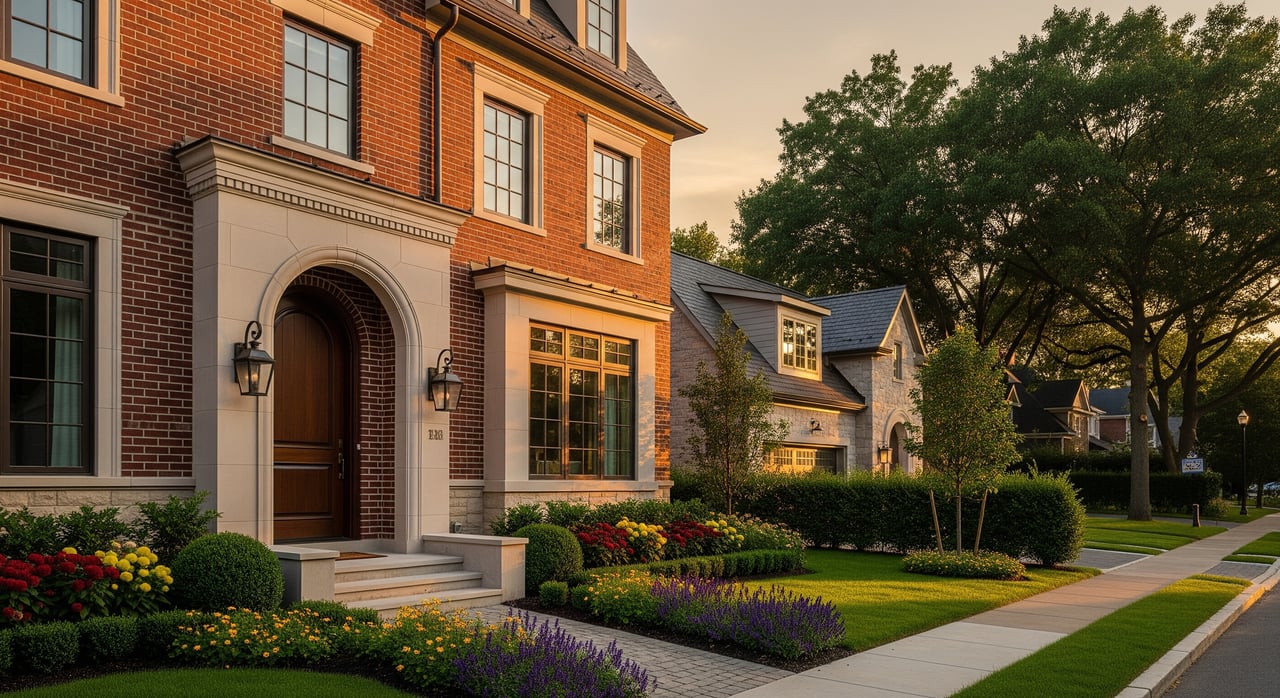
Thinking about whether a townhome or a single-family home is the better fit for your life in Clarendon Hills? You are not alone. With a walkable downtown, a Metra BNSF station, and a mix of older homes and newer infill, this village offers real choices. In this guide, you will learn the key differences in ownership, costs, maintenance, financing, and resale so you can move forward with confidence. Let’s dive in.
Clarendon Hills at a glance
Clarendon Hills is a small, mostly residential village in DuPage County with a charming downtown near the Metra BNSF line to Chicago. Proximity to the station and local amenities often guides the townhome versus single-family decision. You will find older single-family neighborhoods alongside newer, smaller-lot infill and townhouse developments. The feel and lifestyle can vary block by block, which is why a local lens matters.
Townhome vs single-family basics
Ownership and structure
A single-family home typically comes with fee simple ownership of the building and the lot. You control exterior and interior maintenance and most improvements. A townhome can be fee simple or a condominium form, where the association owns common areas and you own the interior. Always confirm whether a townhome is legally a condo or fee simple because it affects financing, insurance, and rules.
Space, yard, and parking
Single-family homes in Clarendon Hills usually offer larger yards and more private outdoor space. Townhomes tend to have small yards, patios, or shared green space. Parking for single-family homes commonly includes a private driveway and garage, while townhomes may offer attached garages, assigned spaces, or shared lots. Verify deeded parking details before you write an offer.
Noise, privacy, and flexibility
Shared walls are a fact of life in most townhomes and can influence day-to-day comfort. Construction quality and insulation vary, so pay attention during showings. Single-family homes typically allow more flexibility for exterior changes, additions, and landscaping. That said, village zoning and permitting still apply, and rules can affect additions or accessory structures.
Costs: what to expect
Purchase price and value
In many markets, townhomes trade at a lower overall price than nearby single-family homes, while price per square foot can be similar or even higher due to smaller footprints and newer finishes. Clarendon Hills inventory is limited, so one or two sales can skew recent medians. Compare apples to apples by reviewing 12-month local comps for each property type before you set expectations.
Taxes, HOA dues, and insurance
Property taxes in DuPage County are a meaningful part of monthly costs. Townhomes that are condo units are assessed differently than fee simple single-family parcels. For townhomes and condos, plan for monthly HOA dues that cover landscaping, exterior and common-area maintenance, snow removal, and master insurance. You will likely carry an HO-6 policy for a condo-style townhome, while single-family owners typically carry HO-3 or HO-5 coverage for the entire structure. Ask for the association’s master policy summary and deductibles, and budget for potential loss assessment coverage.
Maintenance and time
Single-family homeowners budget and schedule all exterior care, from roof to driveway to yard. Townhome owners share many exterior costs through HOA dues and focus more on interior upkeep. To compare options fairly, look at total monthly housing cost: mortgage, taxes, insurance, HOA dues if applicable, plus a maintenance reserve. A simple rule many buyers use is to set aside around 1 percent of a single-family home’s value annually for long-term maintenance, adjusting for age and condition.
Financing and approvals
Traditional financing for single-family homes is usually straightforward if you qualify. Townhomes that are legally condominiums must meet lender and agency project eligibility standards. If a condo project is not approved or has financial issues, you may face higher down payment needs or fewer loan options. Get lender input early and confirm project eligibility to protect your timeline.
HOA reality check
Healthy associations protect property values and reduce surprises. Before you commit, request and review these documents:
- Declaration, bylaws, and rules
- Recent financial statements and reserve study
- Insurance summary and master policy details
- Meeting minutes and any special assessment history
Focus on reserves, deferred maintenance, litigation, rental caps, pet policies, and exterior modification rules. Strong reserves and clear governance are positive signs. Limited reserves or repeated special assessments merit closer scrutiny.
Resale and appreciation drivers
Resale demand often follows practical benefits. Single-family homes with lot size, storage, and private outdoor space can attract a wide buyer pool. Townhomes appeal to buyers who value low maintenance, proximity to transit, and updated interiors. Market cycles can affect attached housing differently than detached homes, so plan your hold time and exit strategy with a local view of supply, interest rates, and buyer demand.
Buyer fit: which suits you
- You may prefer a townhome if you want lower exterior maintenance, walkability to downtown and the Metra, a smaller footprint that is easier to lock and leave, and potentially a lower entry price in Clarendon Hills.
- You may prefer a single-family home if you want a larger yard, more privacy and storage, flexibility for additions, and direct control over exterior decisions. Families who need more bedrooms or dedicated play space often lean this way.
Keep in mind that school district boundaries, lot sizes, and rules vary across the village. Verify details for each address before you decide.
Steps to choose with confidence
- Map your routine. Test the walk to the Metra, parks, and downtown. Drive commute routes during peak hours.
- Set your maintenance comfort level. Decide how much exterior work you want to handle versus outsource.
- Get preapproved and clarify project type. If you are eyeing townhomes, ask your lender to check condo project eligibility.
- Compare total monthly cost. Include mortgage, taxes, insurance, HOA dues, and a maintenance reserve.
- Request HOA documents. Review reserves, rules, rental policies, and recent minutes before you go under contract.
- Inspect for shared walls. Evaluate sound transfer, parking logistics, and common-area conditions.
- Check zoning and permits. If you plan to remodel or add, review village requirements and any association rules.
- Plan resale. Think about your likely buyer pool and which features will matter when you sell.
Quick comparison: townhome vs single-family
| Factor | Townhome | Single-family |
|---|---|---|
| Ownership | Fee simple or condo; rules and shared elements | Fee simple; full control of structure and lot |
| Exterior care | Usually handled by HOA; dues apply | Owner-managed or contracted; no HOA dues |
| Insurance | HO-6 for condo form; master policy covers exterior | HO-3 or HO-5 covers entire structure |
| Space and yard | Smaller yard or patio; shared areas | Larger private yard and more storage |
| Parking | Attached garage or assigned spaces | Driveway and private garage |
| Financing | Condo eligibility can apply | Typically straightforward |
| Flexibility | Rules may limit exterior changes and rentals | More flexibility, subject to village codes |
For sellers: position your home
If you are selling a single-family home, highlight lot size, outdoor living potential, storage, and options for expansion subject to village approvals. If you are selling a townhome, emphasize low maintenance, proximity to downtown and the Metra, interior updates, and association services. Price with comps from the same property type, and call out any recent capital improvements or association projects that add value.
Work with a local guide
A clear plan and strong negotiation can make all the difference in Clarendon Hills. You get a responsive partner who understands western suburbs, knows how associations work, and can navigate inspections, financing, and timing. For bilingual English and Polish support and a hands-on strategy to buy or sell with confidence, connect with Kathy Szuba.
FAQs
What is the key difference in ownership here?
- Single-family homes are fee simple, while townhomes may be fee simple or condominium form; the legal form affects financing, insurance, rules, and maintenance.
How do HOA fees impact a Clarendon Hills townhome budget?
- HOA dues add to your monthly cost but typically cover exterior maintenance, landscaping, snow removal, and master insurance; always review the budget and reserves.
Can I use FHA or VA for a Clarendon Hills townhome?
- It depends on project eligibility and lender guidelines; ask your lender early to confirm whether the association meets current approval standards.
Do local townhome associations allow rentals?
- Rules vary by association; review the bylaws and rules for rental caps, lease terms, and any approval requirements before you buy.
How do property taxes compare between townhomes and single-family?
- Taxes are assessed at the parcel or unit level and vary by property; compare actual tax bills on recent comps for the clearest picture.
Is walkability to the Metra better with townhomes?
- Many townhomes cluster near the village core, but options exist for both types; map specific addresses to the station to compare daily convenience.
What documents should I review before buying a townhome?
- Request the declaration, bylaws, rules, financials, reserve study, insurance summary, meeting minutes, and any recent special assessment notices.