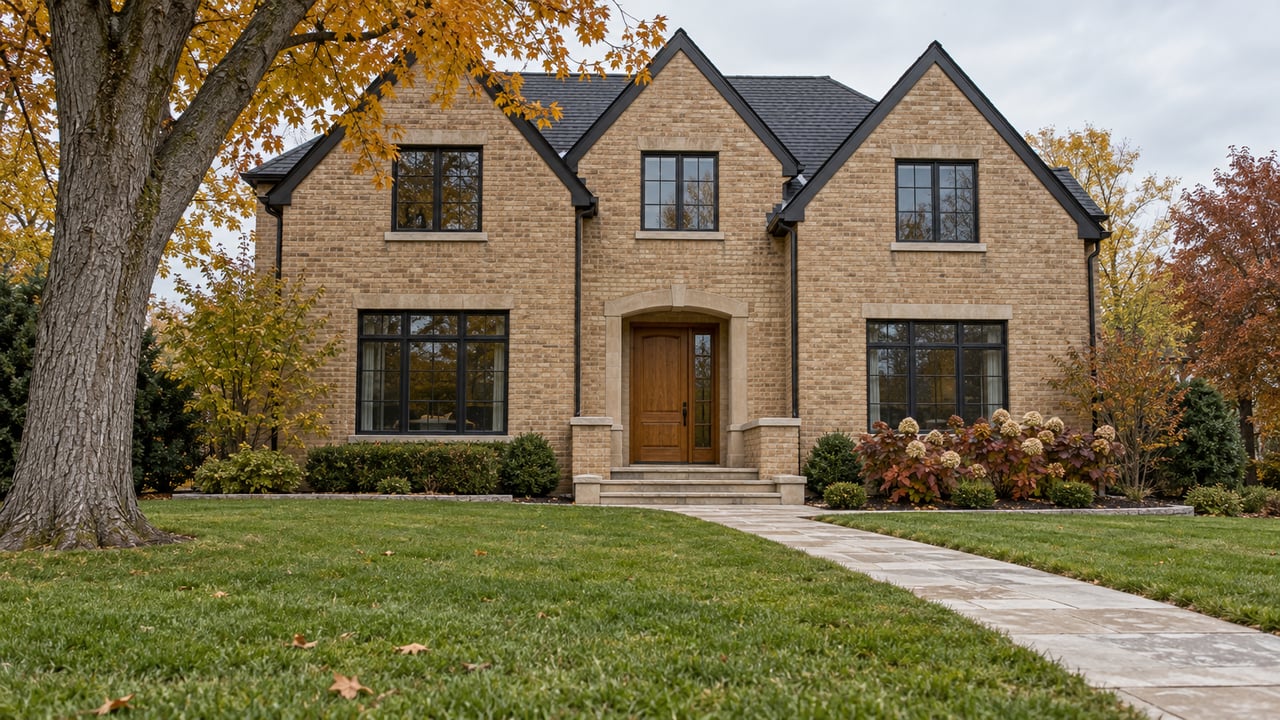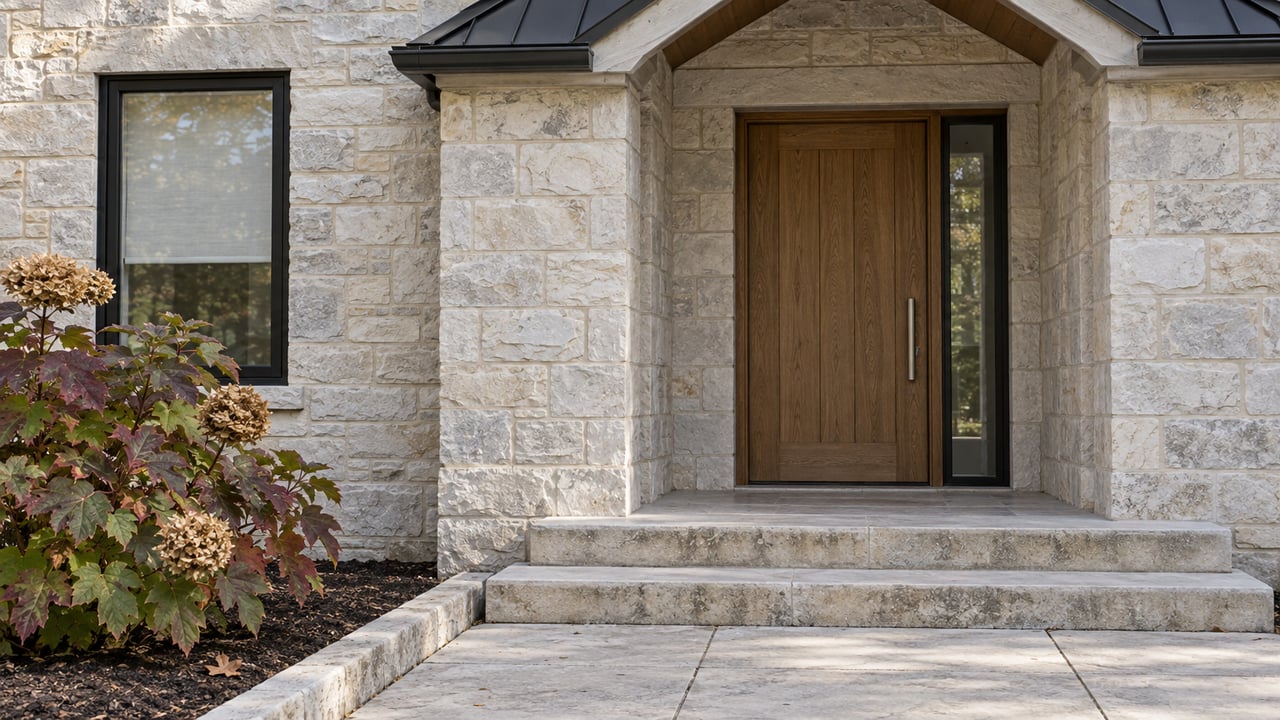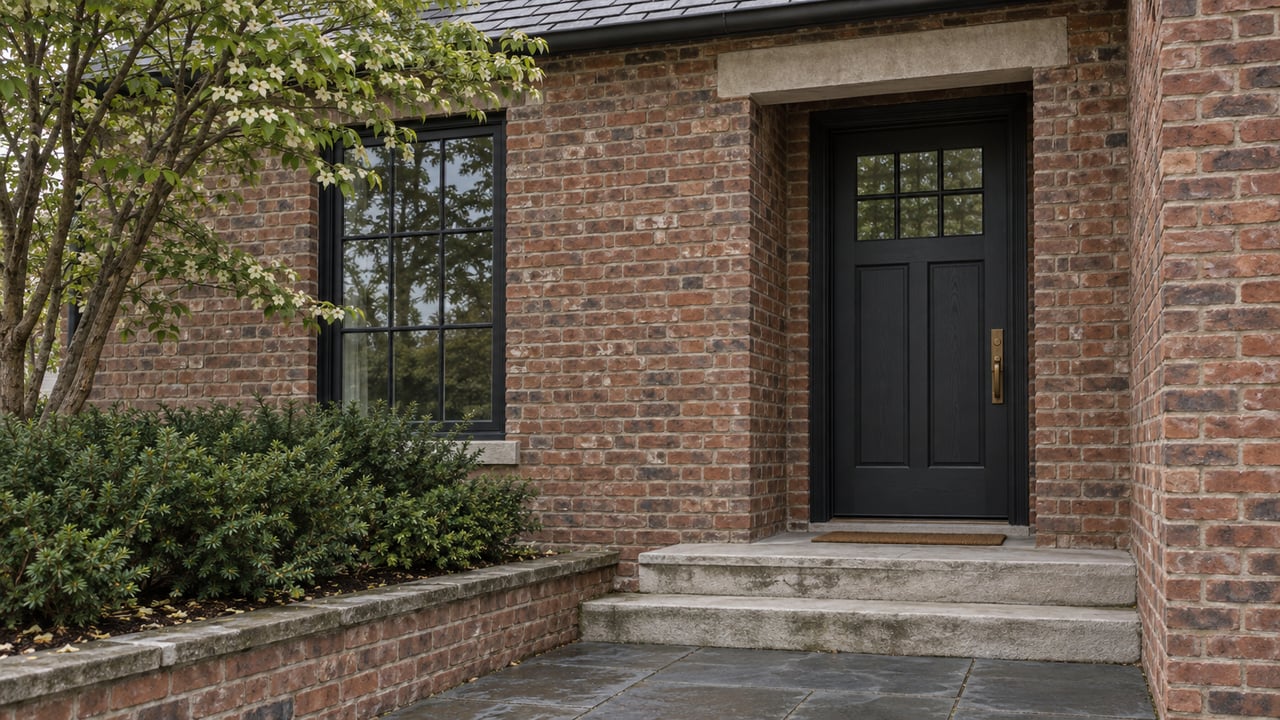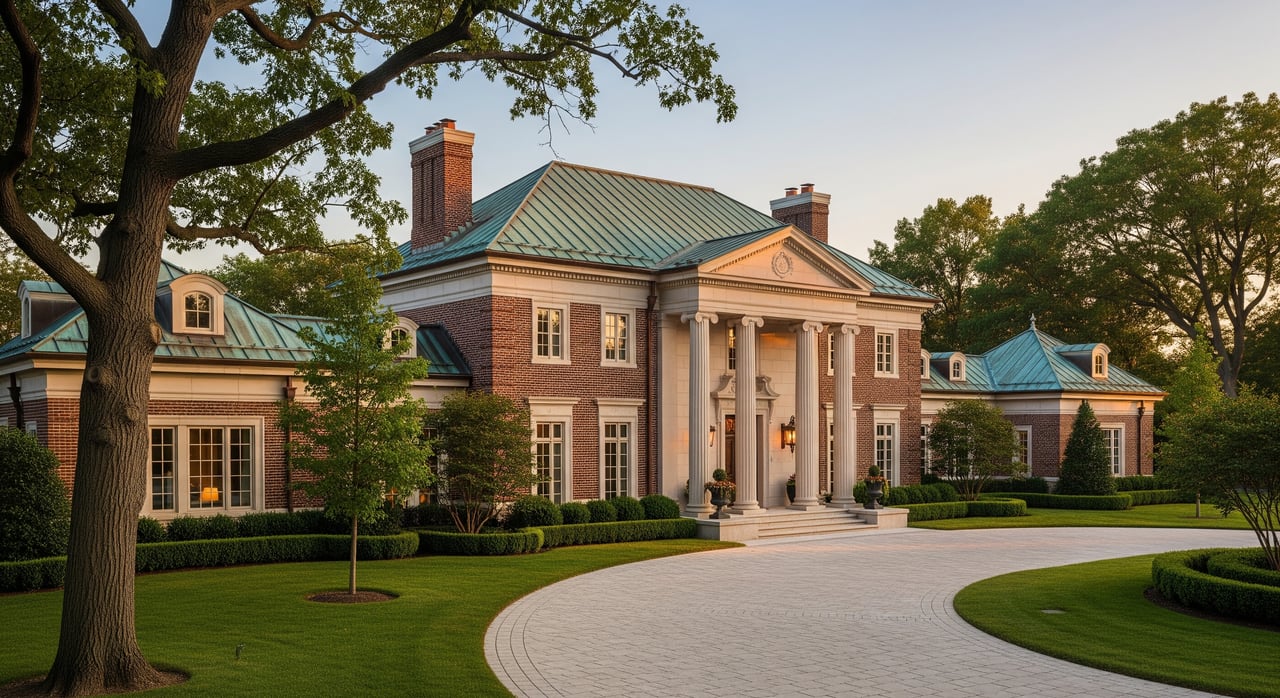
What actually sets the price tag on an Oak Brook estate today? If you own or plan to buy at the top of the market, you know the numbers can feel opaque. You want a clear, local framework so you can make confident decisions without guessing. In this guide, you’ll see how luxury is defined in Oak Brook, which features move the needle most, and how appraisers and agents translate those details into pricing and strategy. Let’s dive in.
What “luxury” means in Oak Brook
“Luxury” is local. In Oak Brook, it typically refers to the top slice of recent sales: custom estates, renovated legacy homes, and new high‑end builds on larger lots. A practical way to define the segment is to look at the top 5 to 10 percent of recent Oak Brook closings in the MLS and use that band as your reference.
Oak Brook’s character supports higher prices. You see low density, established estates, significant green space, and proximity to Chicago and major commute routes. Country clubs, shopping, and private school options add to the appeal. Seasonality still matters, and macroeconomic shifts in the Chicago metro show up here, especially through mortgage rates and buyer confidence.
The factors that shape price
Location and lot advantages
Micro‑location drives real value in Oak Brook. Quiet cul‑de‑sacs, private drives, and proximity to parks or golf can push demand higher than nearby streets. Lot size and usable acreage matter, especially when the land is flat, well landscaped, and private. Acreage that supports outdoor amenities or accessory structures can command a premium beyond the home’s square footage alone.
Living area, design, and build quality
Above‑grade finished square feet is a core benchmark, but price per square foot varies widely at the top end. Architecture, ceiling heights, structural details, and materials influence how buyers perceive quality. Custom builder pedigree or architect‑designed homes can justify higher prices when supported by comparable sales.
Condition and major systems
The age and condition of the roof, HVAC, windows, electrical, and plumbing are major pricing levers. If big‑ticket replacements are due soon, buyers will discount for future cost and risk. Well‑documented upgrades reduce uncertainty and help support stronger list prices.
Interior amenities that matter
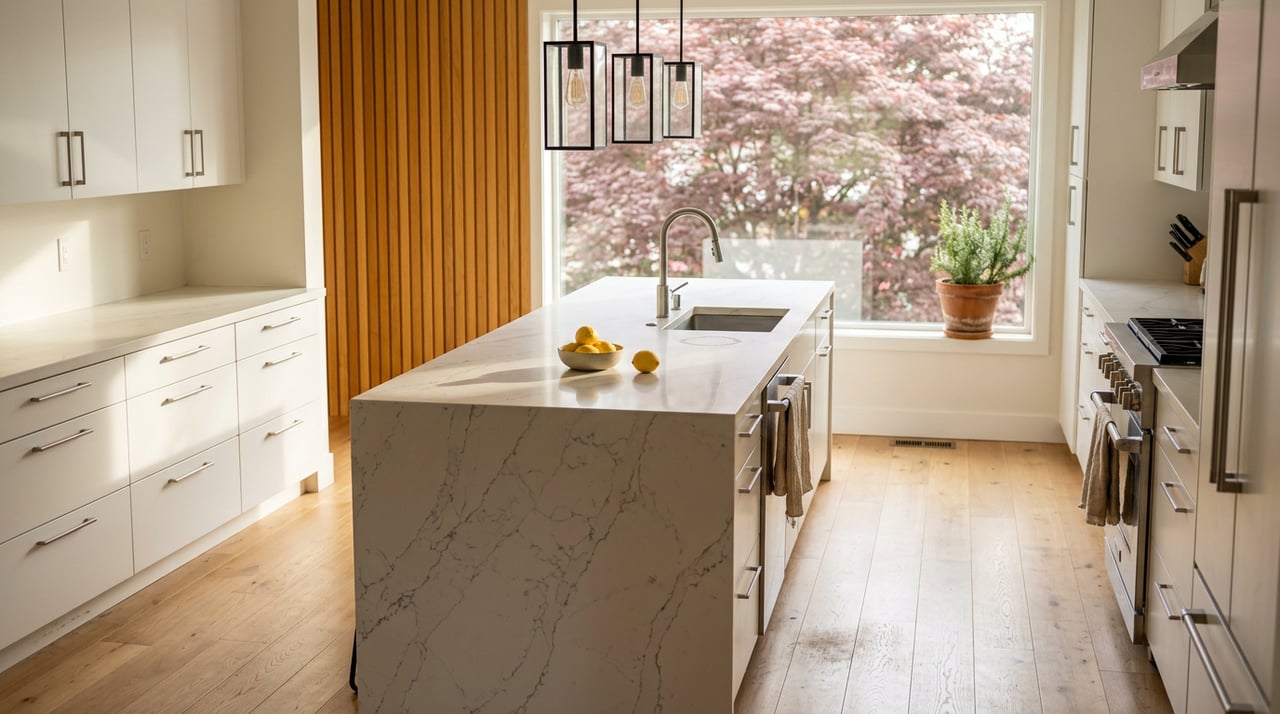
Kitchens and primary suites drive buyer decisions. Professional appliances, thoughtful layouts, and luxury bath finishes carry real weight. Finished lower levels with high ceilings, full baths, theater rooms, or wine storage add usable living space that buyers recognize. Smart home systems and integrated mechanicals raise appeal, and their value depends on how the local market responds to tech features.
Outdoor amenities and site improvements
Pools, spas, outdoor kitchens, terraces, and courts can raise value, though the premium varies by buyer preference and maintenance expectations. In Oak Brook, privacy, mature trees, and gated entries consistently attract attention.
Parking and accessory structures
Oversized garages, lift systems, and finished guest houses or studios provide incremental value beyond the main house metrics. These features can help a listing stand out when compared against recent local sales.
Energy efficiency and resilience
High‑efficiency systems, solar, and durable envelope improvements can lower operating costs and risk. Appraisers note these features and look for market evidence to quantify how buyers are pricing them in.
How appraisers and agents price luxury homes
Most valuations start with the sales comparison approach. Appraisers and experienced agents pull recent Oak Brook sales that match on location, lot type, square footage, architecture, and condition, then make adjustments for differences. When comparable sales are limited, they may extend the search timeline or draw carefully from nearby municipalities and document larger adjustments. Cost approach and replacement cost can support value when a property is truly unique.
A typical pricing workflow:
- Define the local luxury band using recent MLS sales in Oak Brook.
- Identify 3 to 6 closed comparables with similar lot, style, size, and recency. Expand cautiously if direct comps are scarce.
- Apply time adjustments for market movement, based on month‑to‑month MLS trends and local brokerage data.
- Adjust for features using evidence, not generic percentages. Point to recent sales that demonstrate how buyers priced similar attributes.
- Consider buyer pool and financing. Set strategy around cash versus jumbo buyers and likely days on market.
- Choose a list price that fits your timeline and the depth of current demand in the segment.
Market forces that move the top end
Inventory and the buyer pool
In the luxury bracket, there are fewer buyers for each property. That can mean longer marketing times and a wider gap between list and sale prices. New construction can reset expectations and influence how buyers evaluate renovated older homes.
Financing realities in the luxury bracket
Many luxury buyers use cash or jumbo mortgages. Jumbo underwriting is stricter, and when comparable sales are thin, appraisal gaps become more likely. Interest rate changes affect buying power at all price points, including the top of the market, which can shift demand quickly.
Property taxes and carrying costs
Illinois has comparatively high property taxes, and DuPage County assessments play a real role in affordability. Review current and historical tax bills and note any reassessment that could affect carrying costs. Buyers price these numbers into offers, and lenders consider them in approvals.
Local rules and permits
Building restrictions, floodplain or wetlands setbacks, and any HOA covenants can shape what you can add or change. Appraisers and lenders look for clean permitting histories and code‑compliant renovations. Keep documentation organized to reduce friction.
Pricing strategy tips for Oak Brook sellers
- Prepare before you price. A pre‑listing inspection and a broker price opinion or pre‑market appraisal can help you anticipate repairs and support your list price with clear documentation.
- Align price with timing. If you want competition, consider a price that draws multiple showings in week one. If your property is highly unique, focus on targeted outreach to qualified buyers rather than repeated price cuts.
- Document what makes your home valuable. Provide a detailed upgrades list, system ages, and renovation invoices. This helps appraisers, underwriters, and buyers see the value you see.
- Be explicit about inclusions. Built‑ins, window treatments, specialty appliances, and custom fixtures should be itemized to avoid last‑minute disputes.
- Plan for appraisal scenarios. If you expect thin comps, discuss appraisal gap strategies or escrow options before you launch.
Smart offer and pricing tactics for buyers
- Get financing squared away. Secure strong preapproval for a jumbo loan or show verified funds for cash. This improves your position in negotiations.
- Anticipate appraisal. If a property is pushing above comps, prepare to support your offer with data or consider appraisal gap coverage when appropriate.
- Price unique features with evidence. Compare to recent local sales with similar amenities, then adjust for condition and quality.
- Use inspections to calibrate value. If major systems are near end of life, request concessions or credits to reflect future costs.
A quick Oak Brook luxury pricing checklist
- Property basics: legal address, parcel ID, lot size, floodplain or wetland status, and easements.
- House metrics: above‑grade living area, finished basement area, bed/bath count, year built, and ages of roof, HVAC, windows, and mechanicals.
- Upgrades and amenities: kitchen appliance package, bath finishes, window systems, security and smart tech, pool or spa, outdoor kitchen, courts, guest house, garages.
- Permits and documentation: recent permits, plans, warranties, and contractor invoices.
- Comparable sales: at least three closed comps with notes on key similarities and adjustments. If fewer, document why and how you expanded the search.
- Taxes and HOA: latest tax bill, assessment history, HOA fees, and any covenants.
- Market timing: current luxury inventory, typical days on market in the band, and nearby new construction deliveries.
- Financing: common loan products at your price point, likely appraisal scrutiny, and any recent appraisal issues in the area.
Work with a local luxury advocate
Pricing a luxury home in Oak Brook is part math, part market reading, and part negotiation. You want someone who knows the estates, the buyers, and the appraisal landscape, and who can position your property with polished marketing. With luxury credentials, relocation experience, and bilingual English/Polish service, you can expect both strategy and clear communication from start to finish. Ready to see where your home fits in today’s market? Connect with Kathy Szuba to get a custom plan and your free home valuation.
FAQs
What defines a “luxury” home in Oak Brook pricing?
- In Oak Brook, luxury typically refers to the top 5 to 10 percent of recent local sales, including custom estates, renovated legacy homes, and new high‑end builds.
How do appraisers value unique features like pools and courts?
- They compare recent sales with similar amenities and adjust based on market evidence, recognizing that maintenance and buyer preferences affect the premium.
Why can days on market be longer for Oak Brook luxury homes?
- The buyer pool is smaller at higher prices, so it can take more time to match a property’s specific features with the right qualified buyer.
How do high Illinois property taxes factor into price?
- Taxes influence affordability and underwriting; buyers often discount for higher carrying costs and pay attention to reassessments that could change future bills.
What if my past remodel wasn’t permitted?
- Unpermitted work can reduce value and complicate financing; consider retroactive permits or disclose fully and price accordingly.
How can I protect my offer if the appraisal comes in low?
- Provide data to support value, negotiate credits or price adjustments, consider appraisal gap coverage, or explore a second appraisal if allowed by the lender.