Wondering whether to buy a fixer-upper in Hinsdale or pay more for a move-in ready home? In a market where prices are high, competition is real, and many buyers care deeply about location and layout, that choice can shape your budget, timeline, and stress level. The good news is that both paths can make sense if you match the home to your goals. Let’s break down what each option really means in Hinsdale so you can decide with confidence.
Why this choice matters in Hinsdale
Hinsdale is a high-value housing market with a strong owner-occupancy rate and a housing stock that attracts buyers looking for long-term value. The U.S. Census Bureau estimates the owner-occupied housing rate at 89.9% and the median owner-occupied home value at $1,053,700. The village population was 17,395 in the 2020 Census.
Recent market activity shows why condition matters here. Redfin reported a March 2026 median sale price of $1.727 million in Hinsdale, with homes averaging 54 days on market and 26.7% of sales closing above list price. Redfin also classified the market as somewhat competitive.
That means your decision is not just about taste. It is about how much uncertainty you are willing to manage after closing, and how much you want to pay for a home that feels finished on day one.
What a fixer-upper means
In Hinsdale, a fixer-upper can be a smart way to get a specific lot, street, or floor plan that may be hard to find in fully updated condition. If you care more about location and long-term potential than immediate convenience, this route can open doors. It can also give you more control over the final product.
That customization is a big part of the appeal. National Association of Realtors research shows homeowners respond well to projects like kitchen upgrades, new roofing, and adding a primary bedroom suite. If you have a clear vision, a home that needs work can become a better fit than a polished home that reflects someone else’s choices.
Still, fixer-uppers come with moving parts. In Hinsdale, that can mean inspections, permits, contractor coordination, and a longer path to full enjoyment of the property.
Benefits of buying a fixer-upper
A fixer-upper may be worth considering if you want to:
- Prioritize lot, block, or basic layout over finishes
- Customize kitchens, baths, or living areas to your taste
- Create value over time rather than paying for updates up front
- Take on a project with a realistic budget and timeline
For some buyers, that trade is worth it. You may accept short-term inconvenience if the location and long-term upside feel strong enough.
Risks to understand first
The biggest downside is uncertainty. Illinois requires sellers to provide the Residential Real Property Disclosure Report before contract signing, and sellers must disclose material defects they actually know about. If they learn of an error or omission before closing, the law also requires supplemental disclosure.
Illinois defines a material defect as a condition that would substantially affect value or significantly impair health or safety. Just as important, the disclosure form states that as-is language does not replace inspections or warranties. In plain terms, you should still do your due diligence even if a property is being sold as-is.
Older homes may also bring added health and remediation concerns. Homes built before 1978 are much more likely to contain lead-based paint, and federal law requires lead disclosure for most pre-1978 housing before a buyer becomes obligated under a contract. If work will disturb lead-based paint, firms must be certified and follow lead-safe practices.
Radon is another item to plan for in Illinois. State law requires sellers to provide radon disclosure paperwork and testing guidance, and buyers should be given the opportunity to test before purchase or occupancy. For a buyer looking at an older home or one needing renovation, these details matter.
What move-in ready buys you
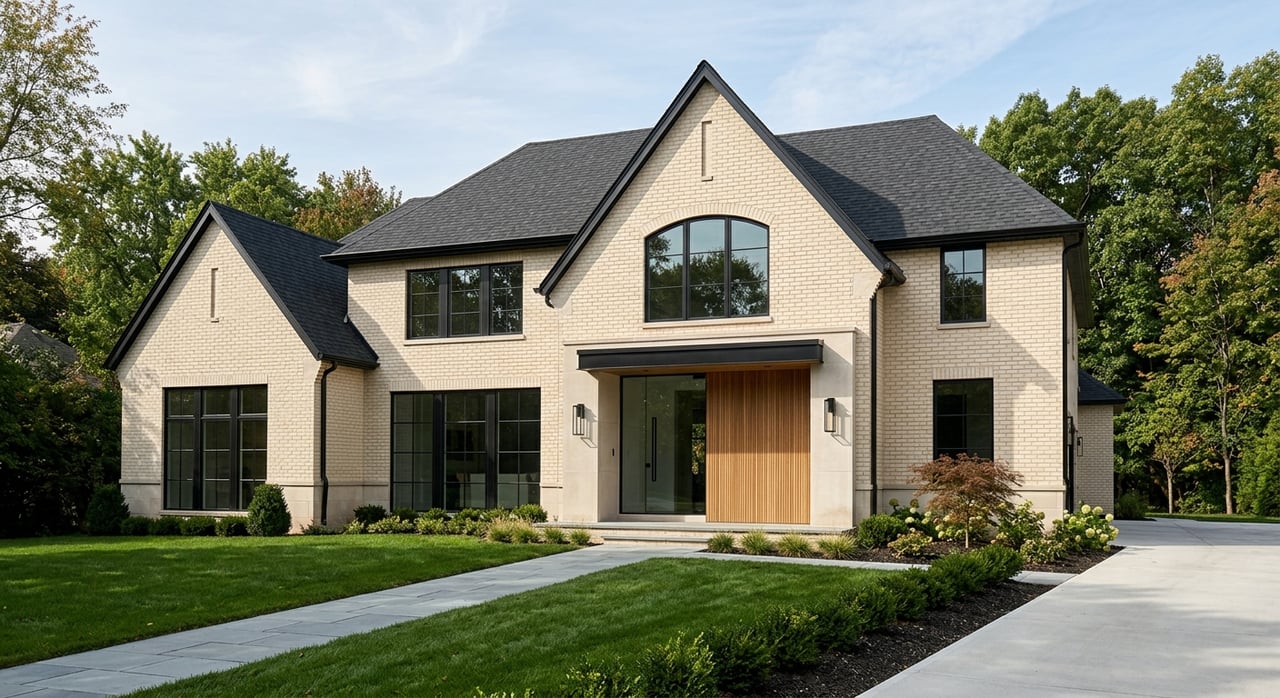
A move-in ready home offers something many buyers value highly: certainty. Instead of planning repairs, managing a renovation, or waiting for inspections and approvals, you can focus on the home’s price, layout, commute fit, and daily livability. That can be especially appealing if you are relocating or trying to keep your timeline simple.
In a place like Hinsdale, convenience often carries a premium. Homes that show well and feel finished can attract strong interest, especially in a somewhat competitive market. When buyers want fewer unknowns, polished condition can help a home stand out faster.
There is also an emotional side to this decision. According to the National Association of Realtors 2025 Remodeling Impact Report, 28% of consumers said the most important remodeling outcome was better functionality and livability. The same report found that 64% said remodeling made them want to be in the home more, and 46% said it increased enjoyment of the home.
That helps explain why some buyers are willing to pay more for a move-in ready home. They are not only buying updated finishes. They are buying time, comfort, and fewer post-closing decisions.
Tradeoffs of move-in ready homes
The main tradeoff is cost. In a market like Hinsdale, you are often paying for the seller’s completed updates, design choices, and project management. You may also have less room to personalize the home right away without undoing work you already paid for.
That does not make move-in ready the wrong choice. It simply means you should be honest about whether convenience is your top priority, or whether you would rather put money into changes that reflect your own preferences.
Hinsdale rules that can affect renovations
If you are leaning toward a fixer-upper, local process matters. Hinsdale’s historic-preservation ordinance requires a certificate of appropriateness application before an alteration, demolition, sign, or other permit for a designated landmark or property in a historic district. That can affect both design choices and timing.
The village’s single-family remodel guidance also outlines inspection and occupancy requirements. Projects are subject to rough, insulation, and final inspections. Occupancy is allowed only after Community Development approval and a certificate of occupancy, and the general contractor must be registered with the village.
These are not minor details. They can directly affect when work starts, how long it takes, and when you can fully use the home.
How to compare the real cost
It is easy to compare list prices and miss the bigger picture. A lower purchase price does not always mean a better deal if repairs, delays, and permit-related costs add up fast. In a high-value market, even modest overruns can become meaningful dollar amounts.
A smart fixer-upper budget should separate these categories:
- Purchase price
- Required repairs
- Cosmetic upgrades
- Permit-related costs
- Contingency reserve
That last item matters more than many buyers expect. The National Association of Realtors 2025 Remodeling Impact Report found that 31% of owners said their project took more time than planned, while only 37% said it finished on time. Delays from contractor schedules, material lead times, inspections, and scope changes are common.
Financing options for a renovation
If the project is large enough, bundled financing may be worth exploring. HUD’s Section 203(k) program and Fannie Mae’s HomeStyle Renovation mortgage both allow buyers to finance the purchase and renovation together in a single loan, subject to lender and property rules.
That does not mean these options fit every buyer or property. But for the right situation, they can make a fixer-upper more workable by combining two major costs into one structure.
A simple decision framework
If you are torn between the two, start with your real-life constraints rather than the home’s photos. The right answer usually becomes clearer when you look at your time, cash reserves, risk tolerance, and how quickly you need the home to function for everyday life.
A fixer-upper may be the better fit if you:
- Have flexibility on timing
- Have cash reserves beyond the purchase price
- Want to personalize the home in a major way
- Feel comfortable managing uncertainty
- Are prepared for inspections, permits, and contractor coordination
A move-in ready home may be the better fit if you:
- Need immediate livability
- Want fewer post-closing surprises
- Prefer a more predictable budget
- Are relocating or managing a tight schedule
- Value convenience more than customization
In Hinsdale, the question often comes down to this: do you want to pay for certainty now, or create value later?
How Kathy Szuba helps you decide
When you are weighing a fixer-upper against a move-in ready home, local judgment matters. You need someone who can help you look past listing photos and compare negotiation strategy, true project scope, timeline risk, and how each option fits your move.
Kathy Szuba brings that kind of hands-on guidance to buyers across Hinsdale and nearby western suburbs. With deep local experience, strong negotiation skills, and bilingual English and Polish service, she helps you evaluate homes clearly and move forward with a plan that matches your budget, priorities, and comfort level.
If you are deciding between a project home and a polished one in Hinsdale, connect with Kathy Szuba for local guidance tailored to your next move.
FAQs
What does fixer-upper mean in Hinsdale?
- In Hinsdale, a fixer-upper usually means a home that offers strong location or layout potential but needs repairs, updates, or renovation work after purchase.
Are Hinsdale move-in ready homes more expensive?
- Often, yes. In a high-price market like Hinsdale, buyers typically pay more for updated condition, immediate livability, and fewer unknowns after closing.
What disclosures should buyers expect for Hinsdale homes?
- Illinois sellers must provide the Residential Real Property Disclosure Report before contract signing and disclose material defects they actually know about.
Do older Hinsdale homes need extra testing or review?
- They may. Pre-1978 homes can involve lead-based paint disclosure, and Illinois law also requires radon disclosure paperwork and testing guidance for buyers.
Can Hinsdale renovation timelines take longer than expected?
- Yes. Local permit rules, inspections, contractor schedules, material delays, and scope changes can all extend a remodeling timeline.
How do I choose between a fixer-upper and move-in ready home in Hinsdale?
- Start with your budget, available time, risk tolerance, and how quickly you need the home to be fully functional. Those factors usually point you toward the better fit.